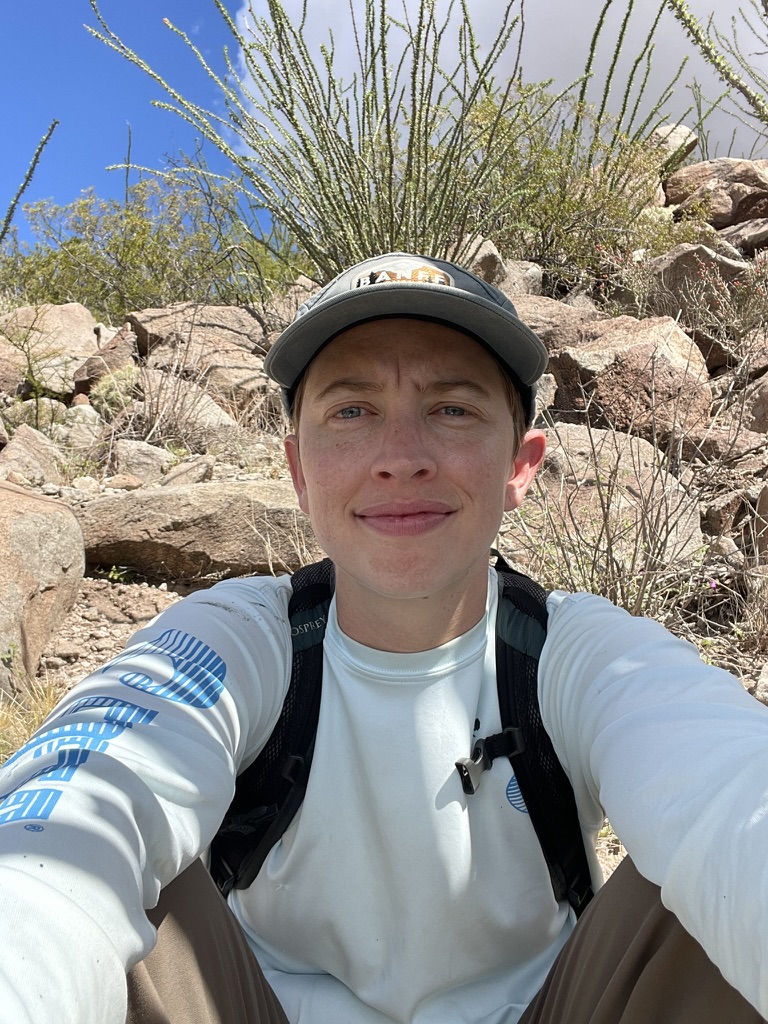
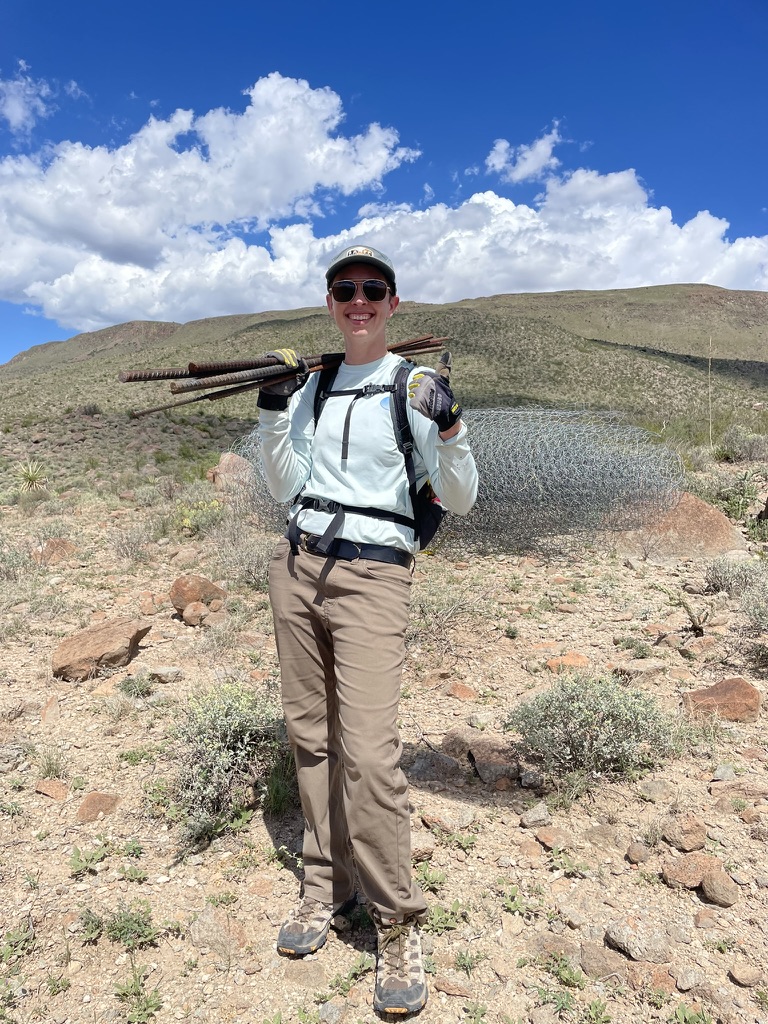
Shelby duPerier was born in San Antonio, Texas, where she completed her undergraduate degree in Environmental Science at UTSA. Currently, she is a graduate research assistant with the Borderlands Research Institute at Sul Ross State University. She is pursuing a master’s degree in Range and Wildlife Management, and her thesis focuses on the distribution of high-elevation owls in the Davis Mountains, Texas. Her research incorporates bioacoustics, raptor ecology, and temporal analysis to better understand the patterns and underlying mechanisms driving owl vocalizations. Outside of graduate research, Shelby enjoys catching a good flick, tackling a challenging hike, and spending time with her loved ones.
Sul Ross State University
Major-Advisor: Maureen Frank, Ph.D.
Distribution of High-elevation Owls in the Davis Mountains, Texas
Several mountain ranges within the Chihuahuan Desert receive more precipitation and experience cooler temperatures than the surrounding lowland desert. This “sky island” effect allows for more diverse ecosystems within the mountain range, which support high-elevation bird species uncommon to the area. Due to the rugged and remote nature of the Chihuahuan Desert mountains, the occurrence and distribution of high-elevation species are poorly understood, especially for nocturnal birds. Passive acoustic monitoring, paired with deep learning neural networks, shows promise in increasing the detection of elusive birds. This study aims to evaluate vocal patterns and trends of nocturnal bird species in the Davis Mountains, particularly flammulated (Psiloscops flammeolus), northern saw-whet (Aegolius acadicus), and Mexican spotted (Strix occidentalis lucida) owls. Using autonomous recording units (ARUs), owls were monitored in 2024 and 2025 at the Davis Mountains Preserve (DMP). Data were collected from March through August, coinciding with the breeding season, when calling activity is most frequent. Twenty-five ARUs were deployed across the DMP in suitable owl habitat and programmed to record during peak vocal activity (2-3 hours after sunset and 1 hour before sunrise). Audio recordings were processed using an automated species detection software known as BirdNET. Preliminary results confirm the presence of all three target species within the preserve. Subsequent analyses will refine ARU recording times and placement, identify peak calling periods, and separate calling activity based on territory defense, mating calls, or predator response.
 welderwildlife.org