


Avian Research and Monitoring
The Welder Wildlife Refuge lies within one of the largest avian migratory flyways in North America. Thousands of migratory birds pass through or stop over on the refuge during the spring and fall migration seasons, and the property also serves as an important breeding site for numerous resident and migratory species. Because of this exceptional diversity, many of our graduate student research projects focus on avian ecology and habitat relationships.
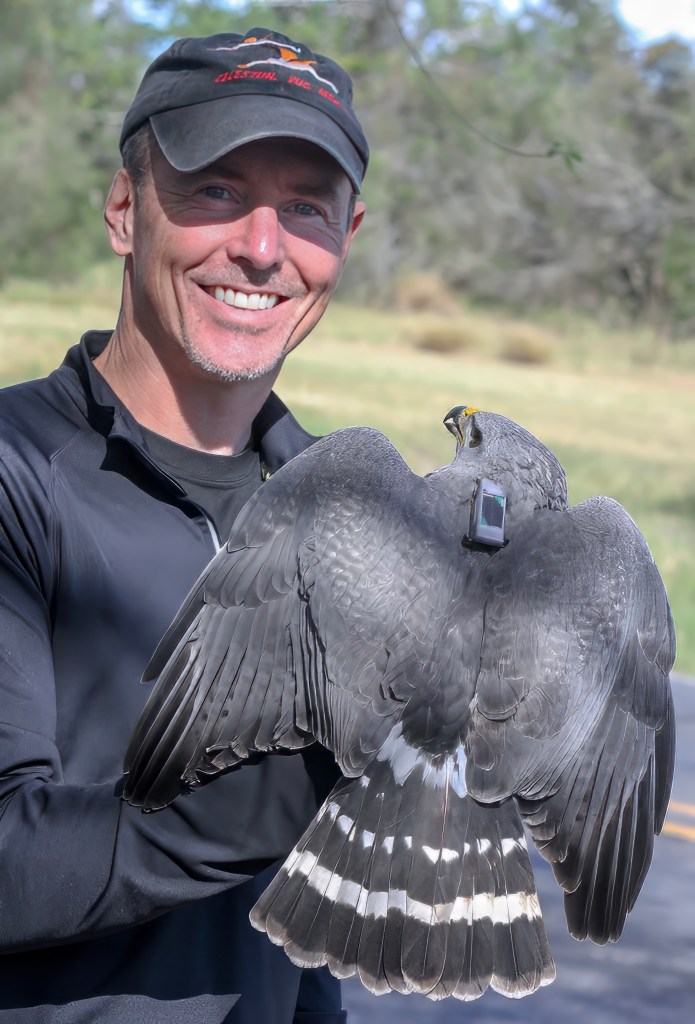
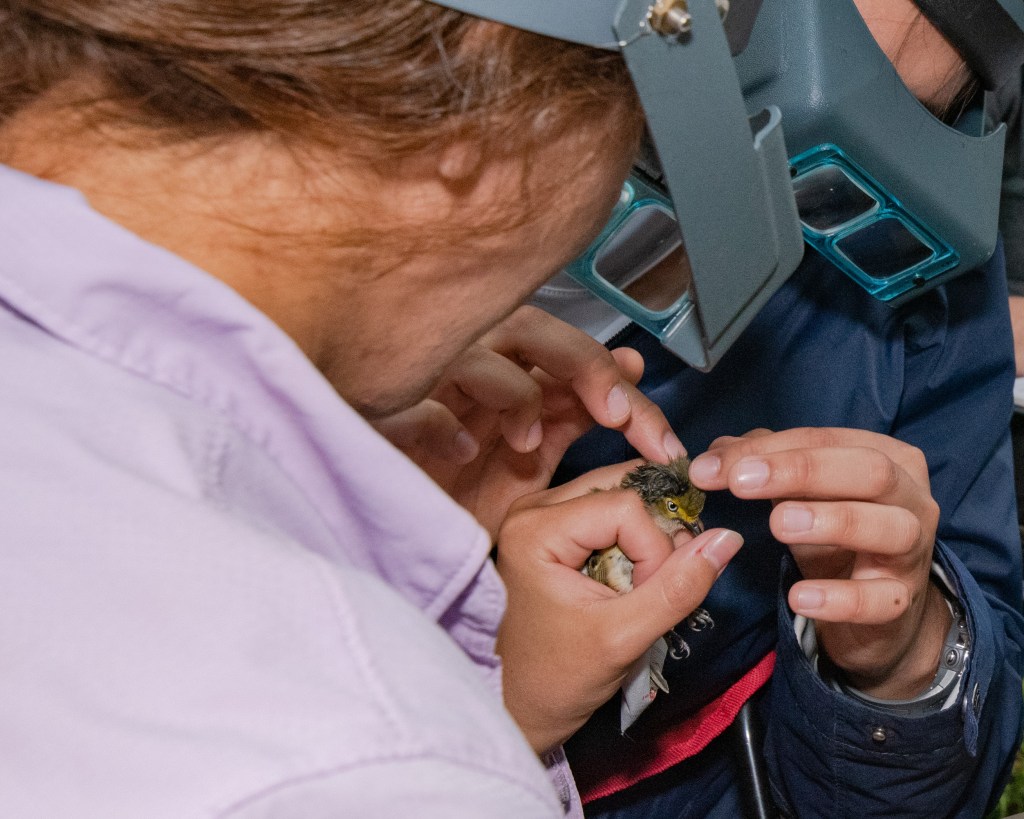
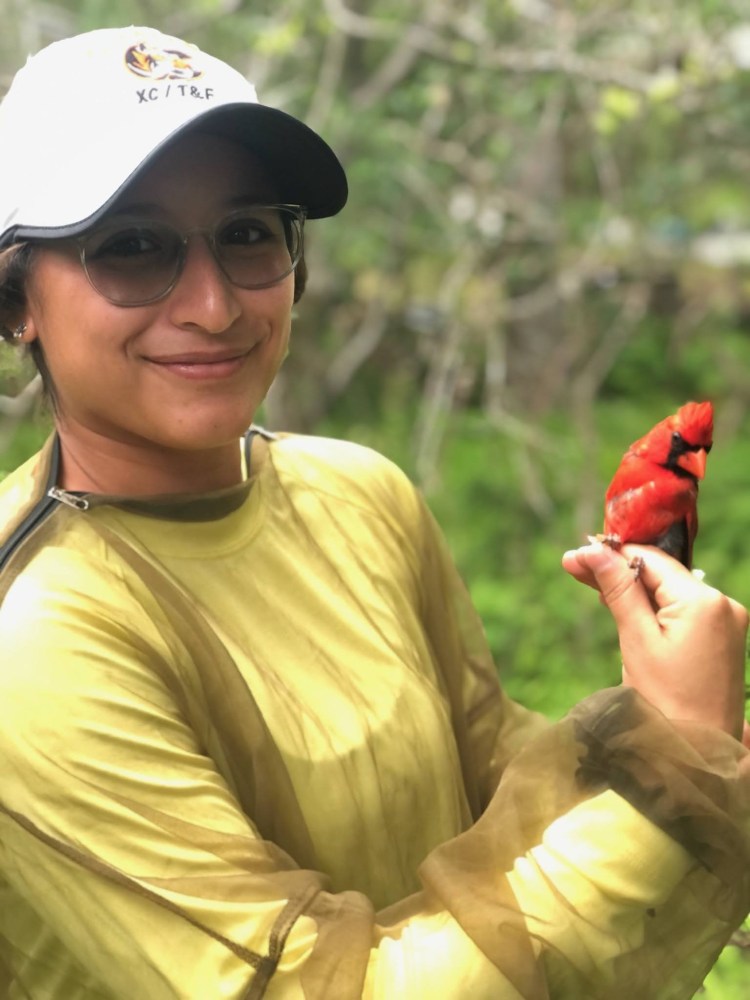
Since 2009, the Foundation has conducted long‑term monitoring of bird communities in mixed‑brush habitats on the refuge. These efforts contribute to the Institute for Bird Populations’ Monitoring Avian Productivity and Survivorship (MAPS) program, a continent‑wide initiative designed to track demographic trends in landbirds. Refuge staff, graduate students, and dedicated volunteers assist with mist‑netting, capturing, banding, and collecting age and sex data on all species encountered at our station.
Since its inception in 1989, the MAPS network has grown to more than 1,200 stations across nearly every U.S. state and Canadian province, collectively generating over 2.5 million bird capture records. The data collected at Welder contribute to estimates of key demographic parameters, including productivity, recruitment, and survival, that help scientists identify which life stages may be limiting population growth or contributing to species declines. Our MAPS station operates for 10 sampling periods each summer, from May through July, and all birds are released safely after data collection.
Future Monitoring Enhancements: MOTUS Wildlife Tracking System
To further expand our avian monitoring capabilities, the Foundation plans to install a MOTUS Wildlife Tracking System tower on the refuge (spring/summer 2026). This technology will allow us to detect tagged migratory birds, bats, and other small animals moving through the region. By contributing data to the international MOTUS network, the refuge will play a key role in advancing research on migration ecology, movement patterns, and habitat use across the Gulf Coast. The tower will complement our MAPS program and strengthen the long‑term datasets that support both local and continental conservation efforts.
Research at the Welder Wildlife Refuge
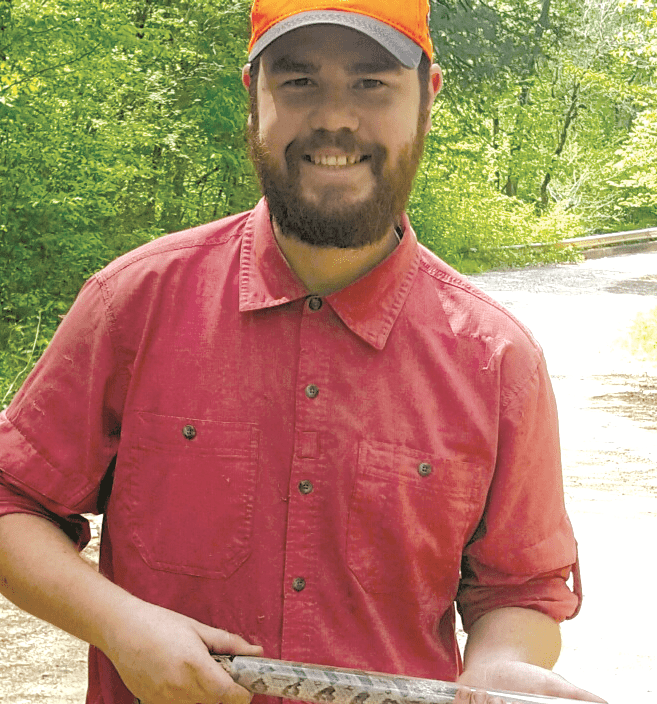
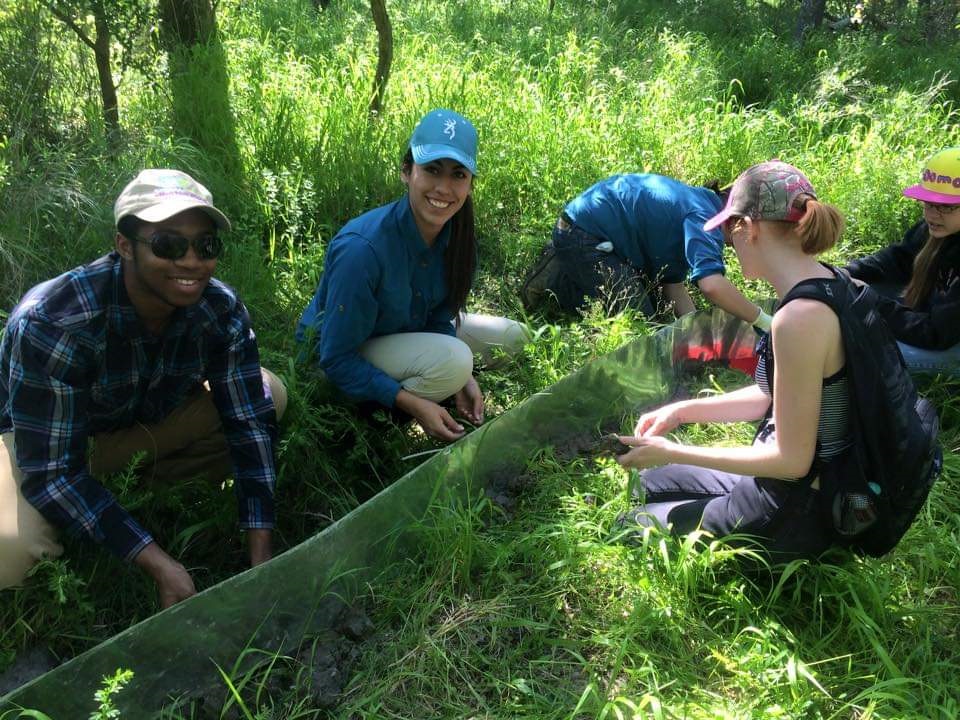
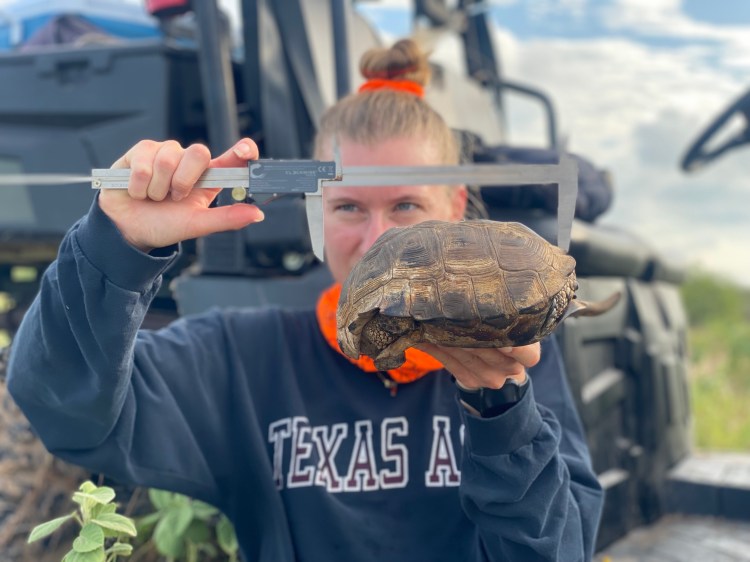
Much of the research conducted on the Welder Wildlife Refuge is carried out by graduate students whose projects typically span two to four years. In addition to these student‑driven studies, Foundation staff conduct ongoing, long‑term research that examines habitat management techniques and the ecology of individual wildlife species and communities. These long‑term datasets form the backbone of our understanding of ecological change on the refuge.
Graduate Research Fellowship Program
The Welder Wildlife Foundation’s Graduate Research Fellowship Program supports outstanding M.S. and Ph.D. students working in collaboration with universities across the United States. The Foundation provides funding to exemplary graduate students whose research addresses critical ecological and land‑management questions. In keeping with the directives outlined in Rob Welder’s will, the program maintains a strong emphasis on wildlife research conducted within working, land‑use environments.
While the Foundation has supported research nationwide, most current projects occur on the Welder Wildlife Refuge or within South Texas. Many of these studies examine the relationships among wildlife, cattle grazing, and the effects of invasive brush and grass species, issues of direct relevance to landowners, wildlife professionals, and land managers. The program’s overarching goal is to prioritize research that tackles contemporary conservation challenges and delivers practical, science‑based solutions that can be applied on the ground.
Research Partnerships
The Rob and Bessie Welder Wildlife Foundation maintains strong partnerships with universities, agencies, and conservation organizations to support and advance ecological research. As a biological field station, the Welder Wildlife Refuge provides researchers with access to 7,800 acres of native habitats, long‑term datasets, and a working landscape where applied science can be tested, refined, and translated into real‑world management solutions. Each year, numerous institutions request permission to conduct studies on the refuge, reflecting its value as a living laboratory for wildlife and habitat research.
Current and past research partners include the Smithsonian Institution, Caesar Kleberg Wildlife Research Institute, Texas A&M AgriLife Extension, Texas Parks and Wildlife Department, Natural Resources Conservation Service, and many others. These collaborations strengthen our ability to address complex ecological questions, support graduate education, and contribute to regional and national conservation efforts.
For inquiries about conducting research on the refuge, please contact Dr. Dale James at djames@welderwildlife.org.
Staff and Long-Term Research
In addition to supporting graduate student projects, Foundation staff conduct research that strengthens the scientific foundation of the refuge and complements the work of our university and agency partners. Staff‑led studies have examined individual species such as bobcats (Lynx rufus), Rio Grande turkeys (Meleagris gallopavo), and black‑bellied whistling ducks (Dendrocygna autumnalis), as well as broader ecological topics including breeding bird demographics, the effects of rotational grazing on wildlife, and predator–prey interactions across the landscape.
Long‑term monitoring has always been one of the defining strengths of the Welder Wildlife Refuge, and these efforts will be renewed in the near term to ensure continuity of our ecological datasets. Decades of systematic field observations have created a rare, multi‑generational record of ecological change across the refuge. These monitoring programs track trends in vegetation, wildlife populations, and habitat conditions, restoring the frequency of surveys needed to accurately detect ecological change. Together, these efforts ensure the Foundation maintains robust, long‑term datasets that document ecological patterns and guide future management decisions.
Because the refuge functions as a biological field station, these monitoring efforts directly support our research partnerships. Long‑term datasets generated by staff provide essential baselines that strengthen collaborative research and enhance the scientific value of the refuge. Graduate student research conducted over the decades has further enriched this collective knowledge base, contributing valuable information on nearly every wildlife species found on the refuge. Together, staff‑led studies, long‑term monitoring, and external research partnerships form a comprehensive scientific framework that strengthens the Foundation’s ability to steward the land effectively and advance conservation across the region.
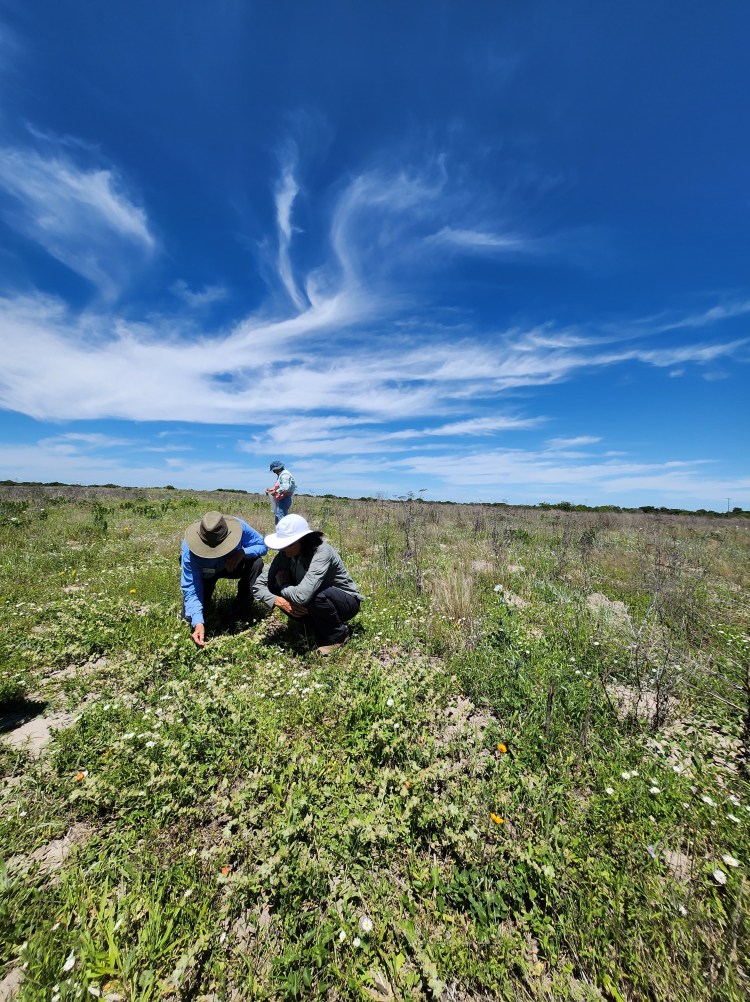
“What more delightful avocation than to take a piece of land and by cautious experimentation to prove how it works. What more substantial service to conservation than to practice it on one’s own land?”
Aldo Leopold
Unpublished Manuscripts from Leopold Archives
 welderwildlife.org