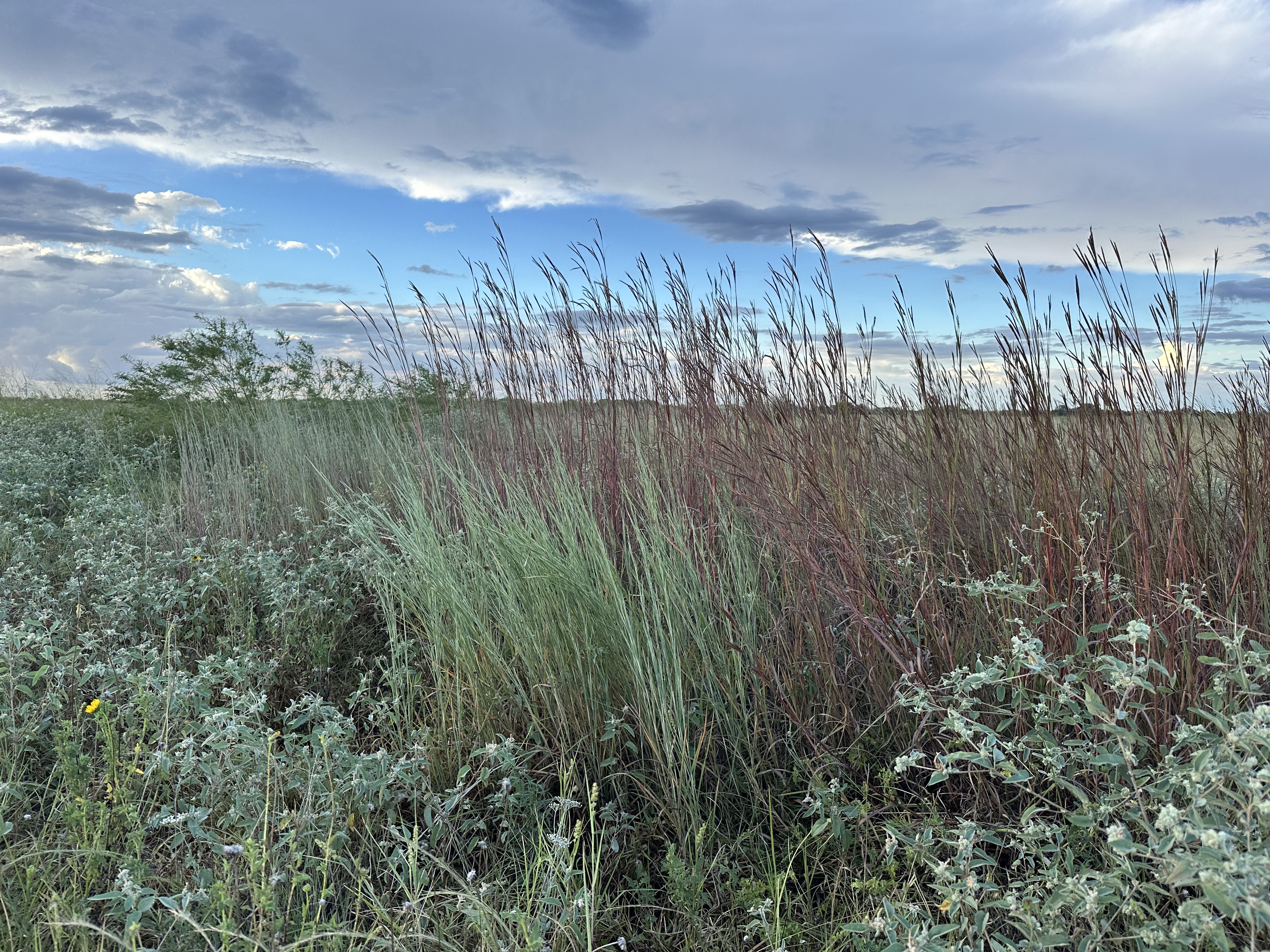
“We abuse land because we regard it as a commodity belonging to us. When we see land as a community to which we belong, we may begin to use it with love and respect”
-Aldo Leopold
Land Stewardship Program Goals
The Land Stewardship team’s only goal is to showcase the benefits of successional habitat management through the use of prescribed fire, prescribed grazing, and brush management.
Refuge Description
The Rob and Bessie Welder Wildlife Refuge is located 7 miles north of Sinton, Texas, off US HWY 77. Our location is the key to our diversity found throughout the properties’ 7,800 acres, with our entire northern border being the tidal Aransas River that feeds Copano Bay roughly 13 miles from our headquarters. The refuge falls at the convergence of the Gulf Coast Prairies and Marshes ecoregion along with the South Texas Plains which are two of Texas’s most iconic ecoregions. Due to this you can find everything from coastal oak mottes and prairies to the tamaulipan thorn scrub South Texas is known for. Our diversity does not stop there with 24 different soil types, ~30 different ephemeral wetlands, and over 400 species of migratory birds documented across the refuge.
Current Land Management
The tools we utilize today to manage the refuge haven’t changed much, but we have gained more knowledge in how to properly use those tools on the landscape. Prescribed fire, prescribed grazing, and brush management have been utilized on the property since before the creation of the foundation itself and moving forward the only thing that will change is how we utilize them. Like many other properties in Texas and across the US we face the same problems with brush encroachment and invasive grasses overtaking native pastures that were once abundant throughout the property. As land stewards, we have adapted our management on the refuge to start restoring basic ecological processes to tackle our current rangeland health problems.
Brush Management
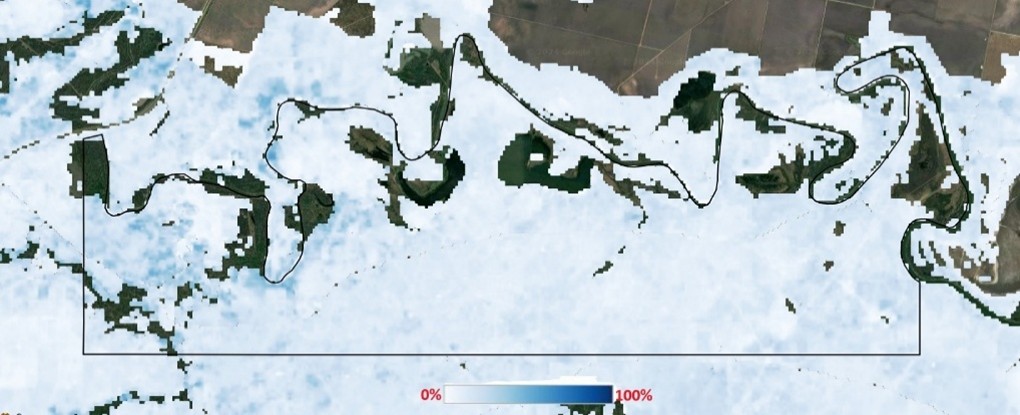
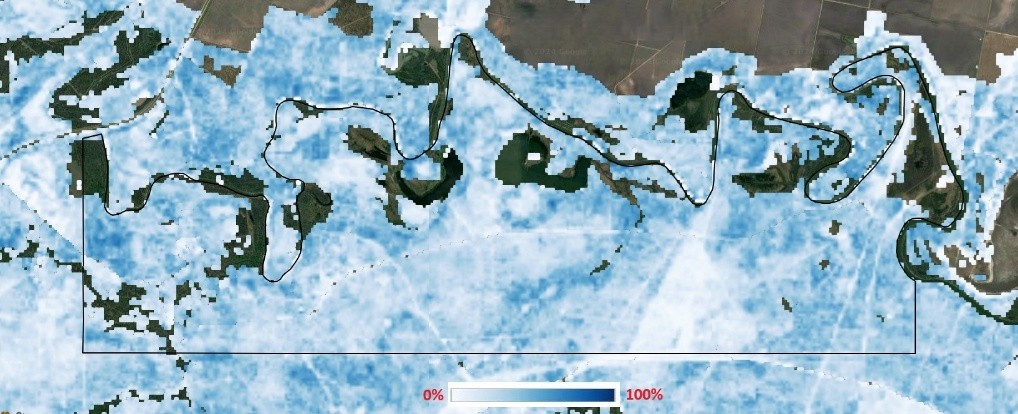
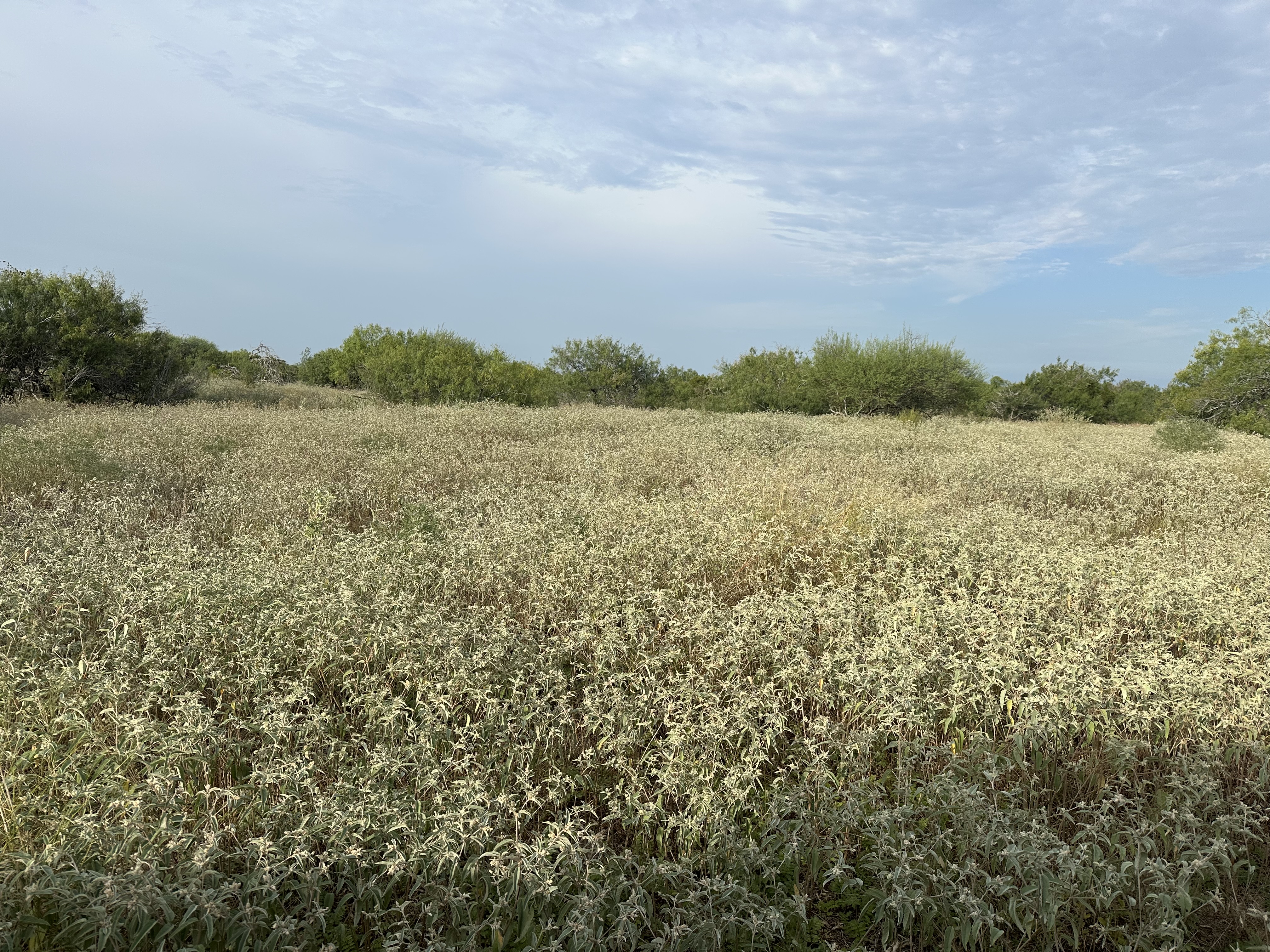
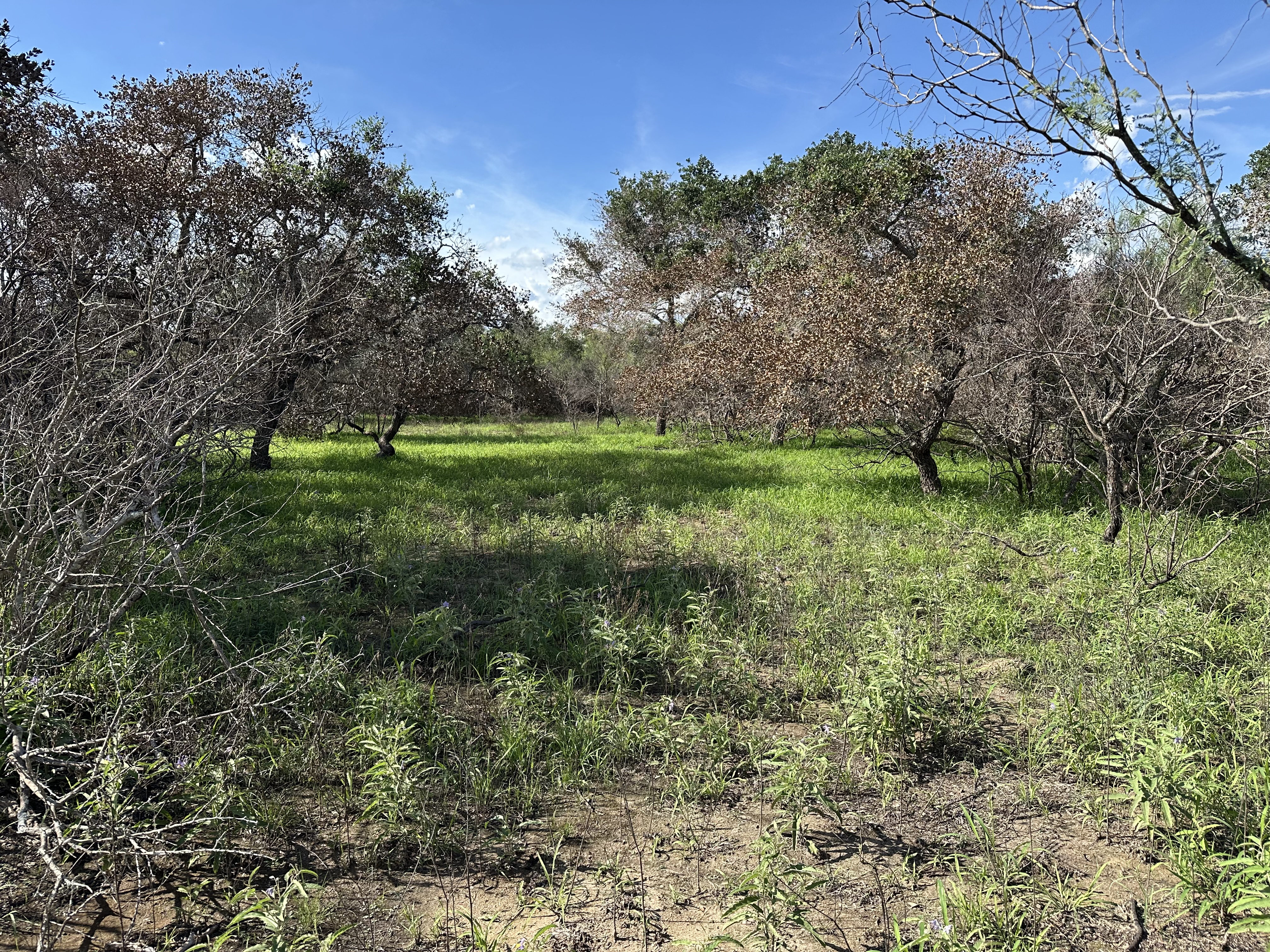
Due to our unique location, we face the same brush problems that plague the two distinct ecoregions we fall in. Our most abundant brush invader across the entire refuge is huisache (Vachellia farnesiana). Additionally, mesquite (Prosopis glandulosa), live oak (Quercus virginiana), and various tamaulipan thorn scrub species are contributing to the encroachment. These species are native, but due to decreased fire regimes and overgrazing, they have expanded beyond their role in these ecosystems.
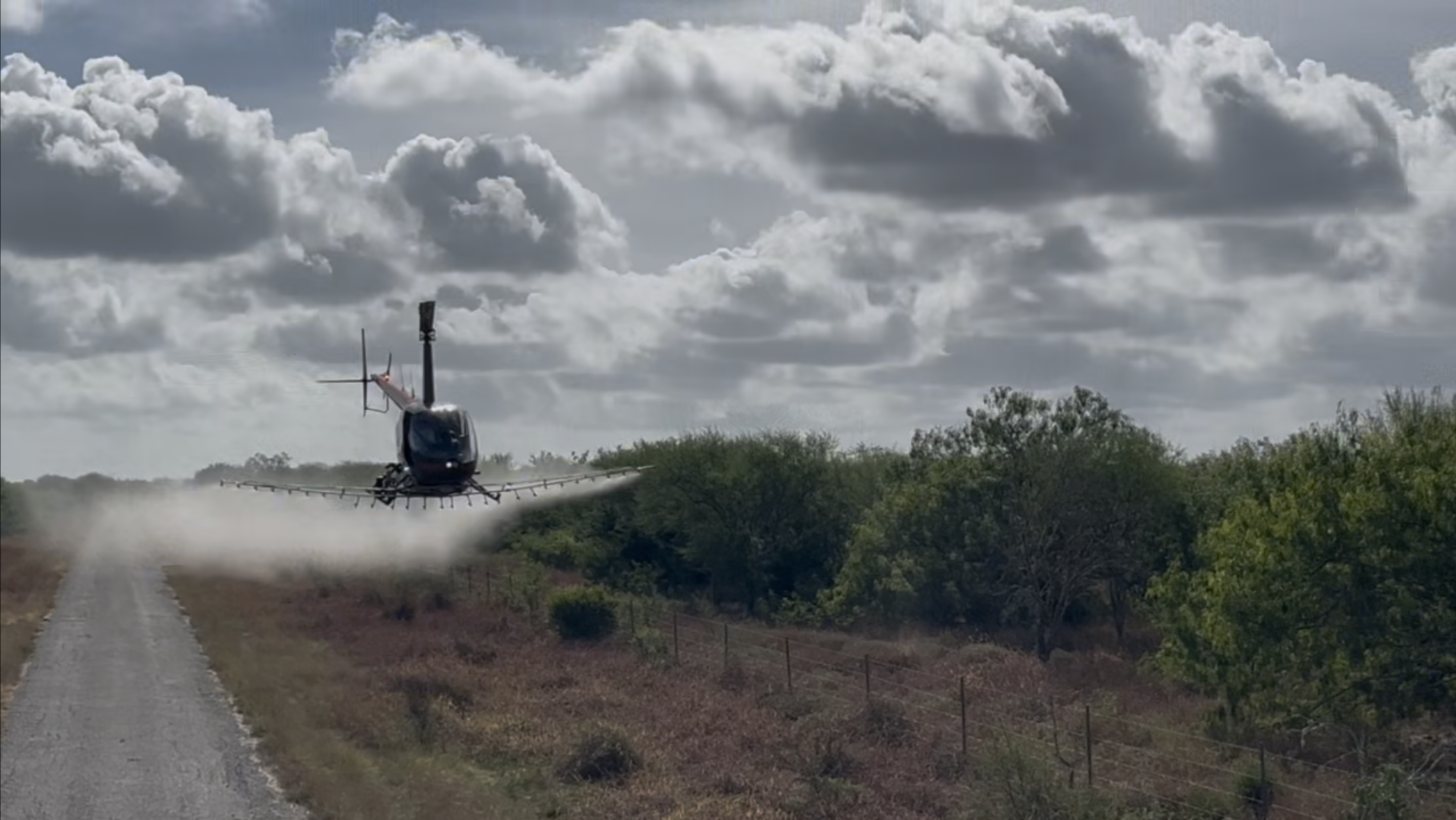
As stated previously, the refuge has utilized some form of brush management throughout its history, but due to various factors, it has not been as strategic as needed with how quickly the brush started to encroach. Moving forward, acreage will be targeted with aerial herbicide treatment and followed up with individual plant treatments (IPT) the next year, if feasible (depending on size). Aerial applications are considered successful with a 75% kill rate, so the follow-up with IPT using a foliar spray method will increase our kill rate to almost 100%. In instances where IPT is not feasible due to large acreages, we will do follow-up treatments aerially until we get our desired outcome. The ideal long-term goal is to reduce our canopy cover in sandier soil sites to ~10% and our clay sites to ~ 20%.
*Images: The top image to the right shows scrub cover in 1986, the bottom shows shrub cover in 2023.
Grazing Management
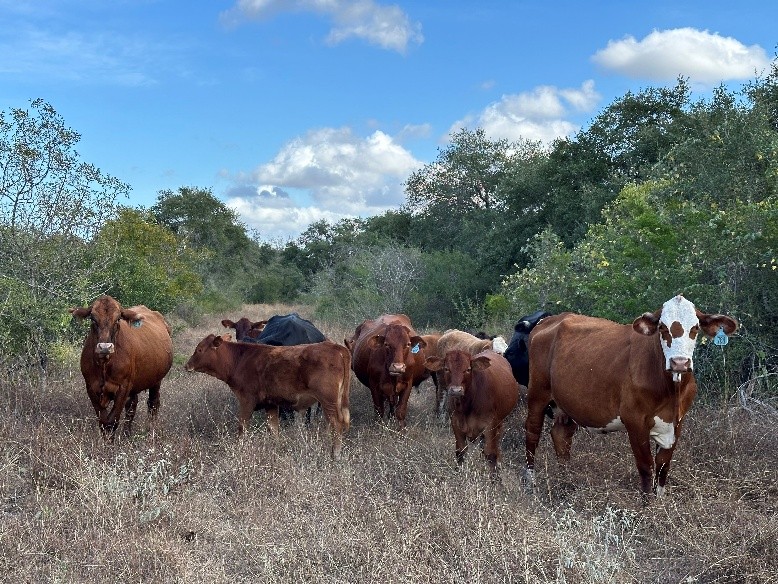
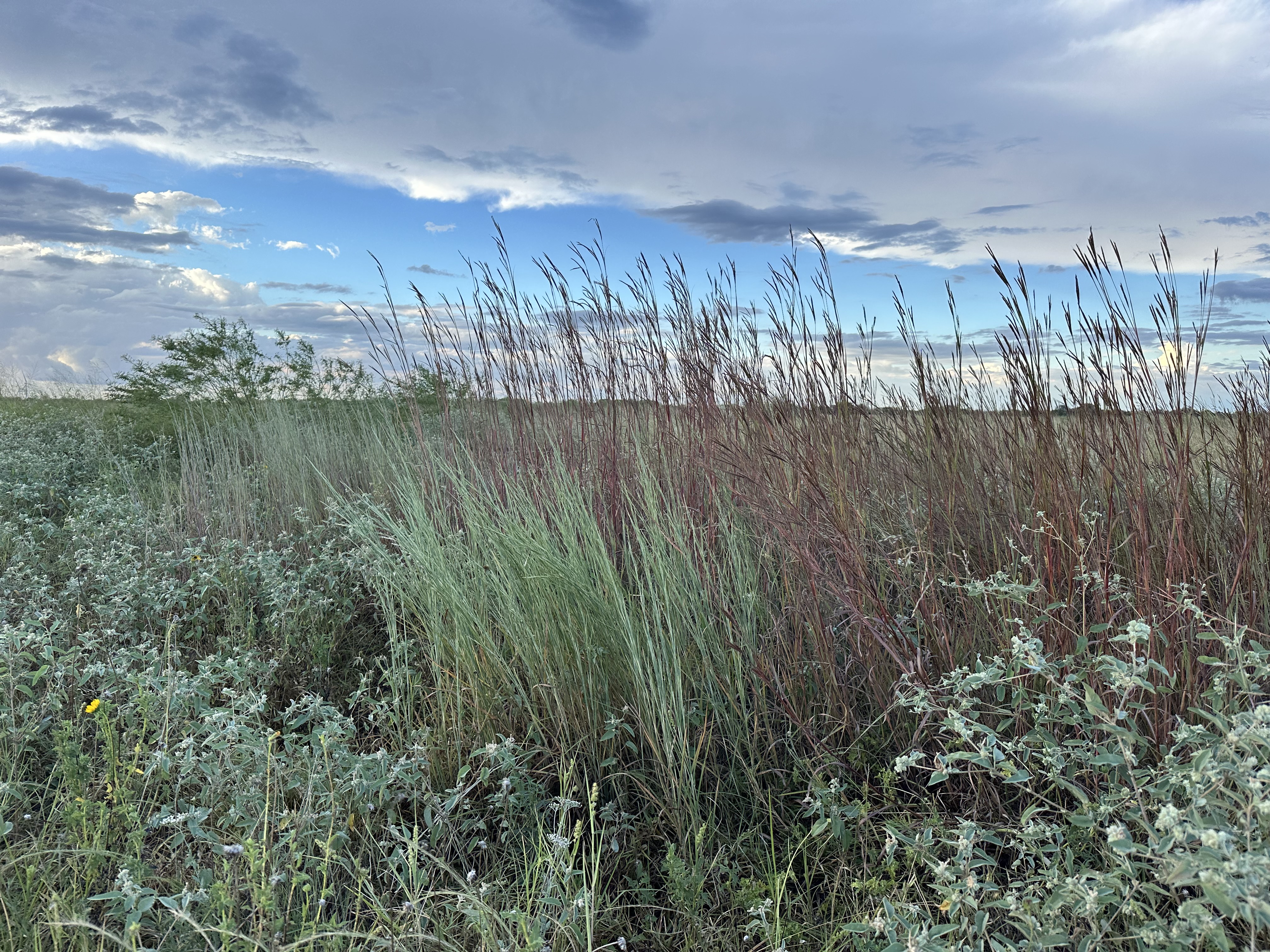
Our approach to grazing has drastically changed to better fit the landscape we manage today. With brush encroachment being one of our biggest management challenges, this alters stocking rates and how we use cattle as a tool drastically. Moving forward, we will be significantly reducing our stocking rates to correct for our current grazeable acres (4,251 ac). In turn, this will allow for more frequent use of prescribed fire. A traditional rotational grazing system focusing on flexibility, our initial stocking rate is 1 cow every 20 acres. This stocking rate can change as we observe the effects on the landscape until we get the desired results. On the refuge, we are fortunate enough to still be able to find Big Bluestem, Little Bluestem, and other native grasses mixed in with invasives throughout our pastures. Lighter stocking rates will ensure we do not over graze these desirable natives while allowing prescribed fire to be utilized more frequently by leaving more “fuel” on the landscape.
Prescribed Fire
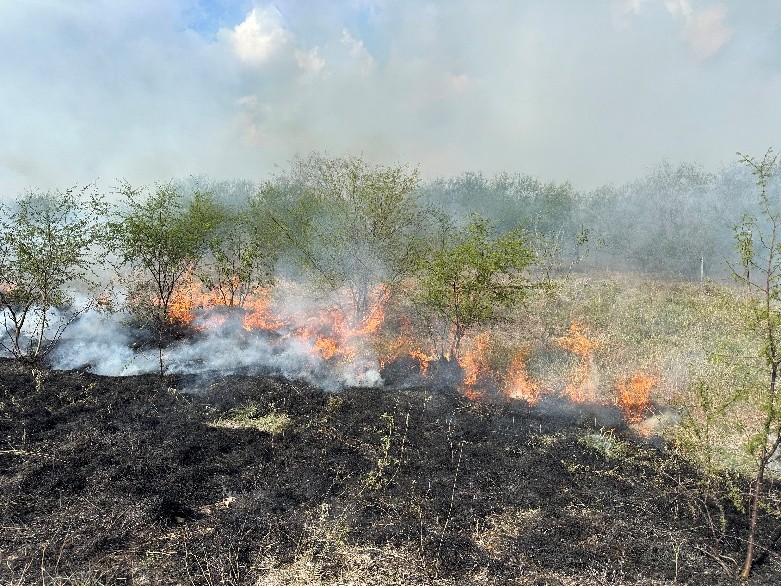
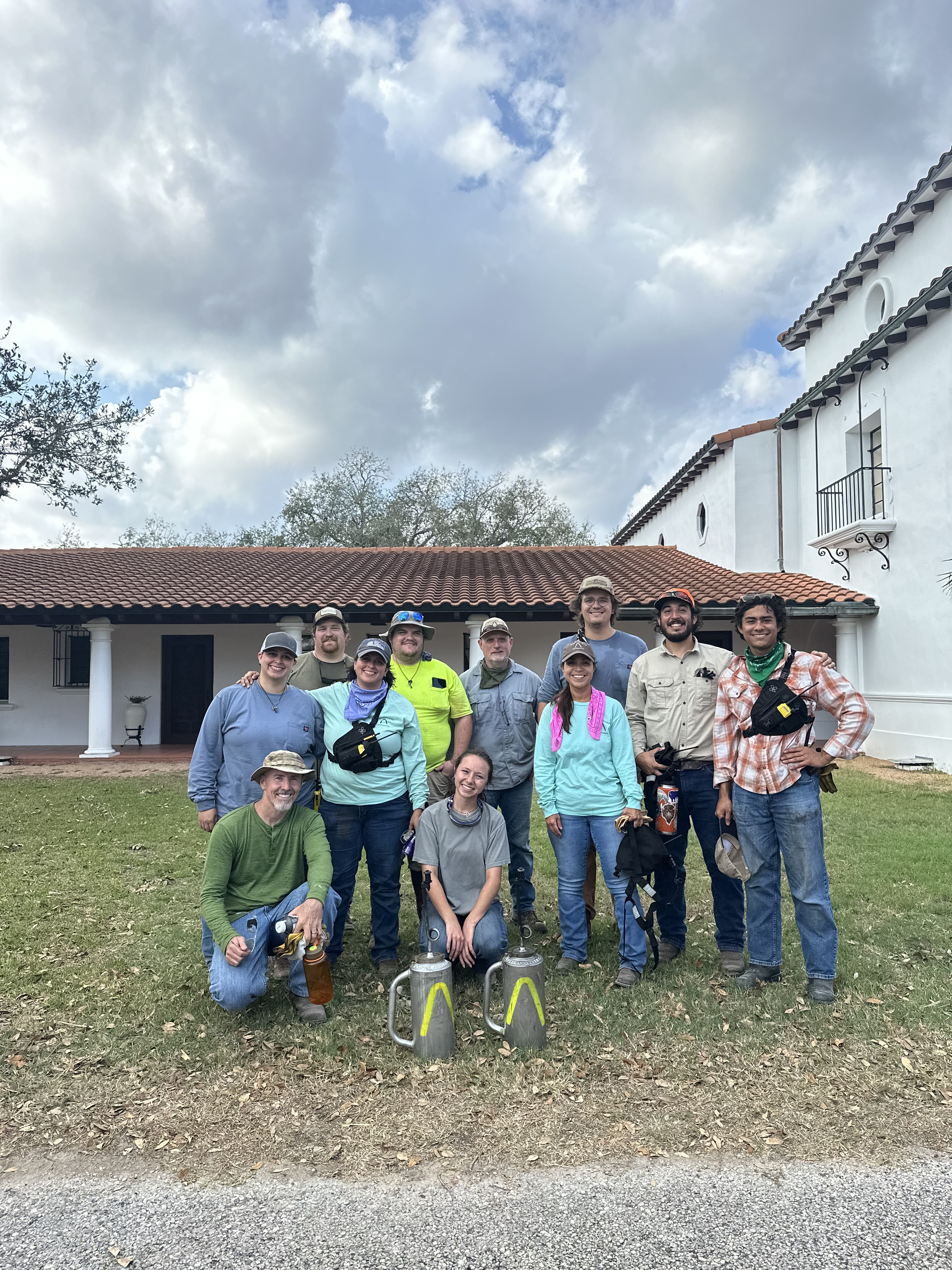
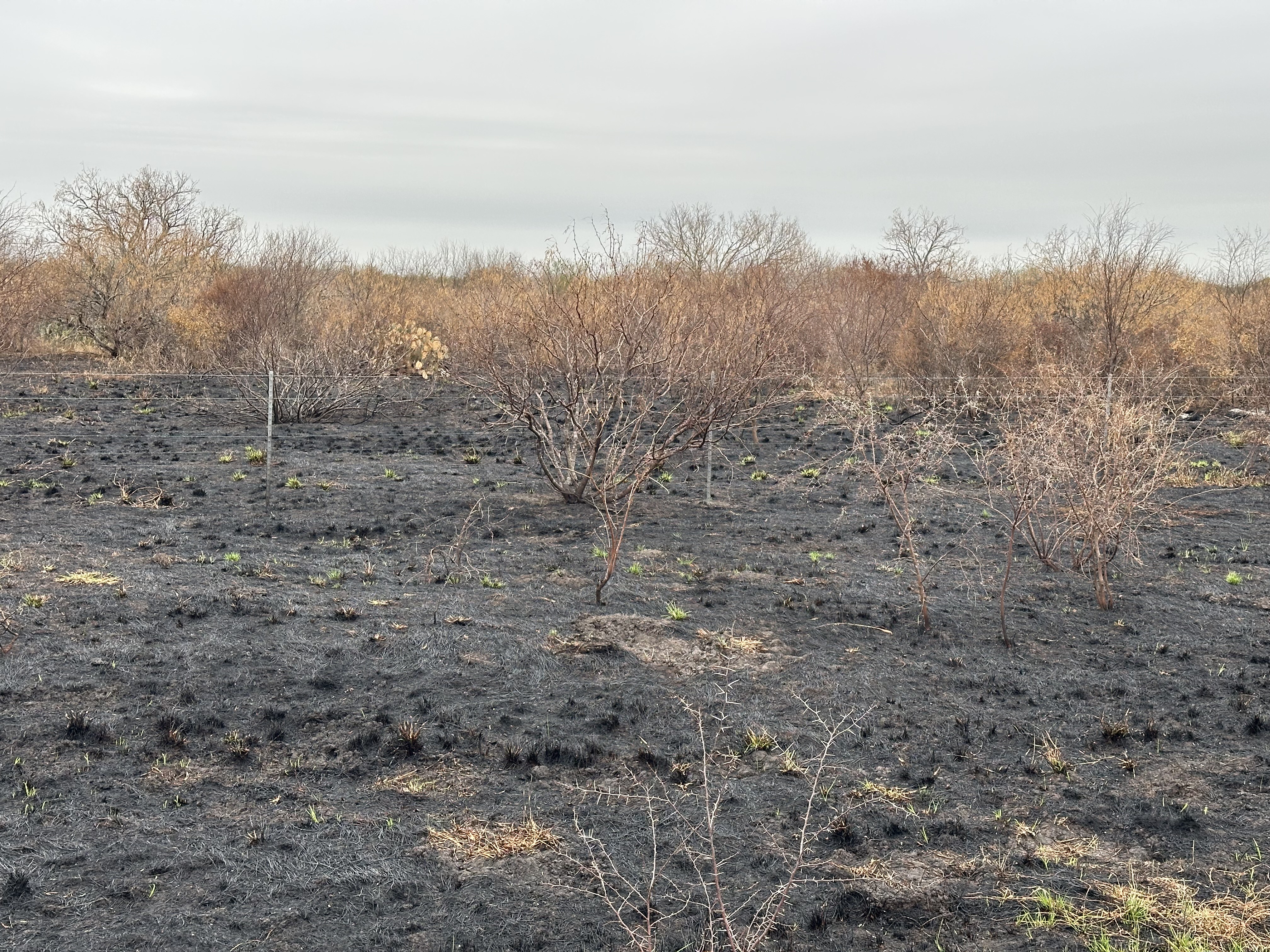
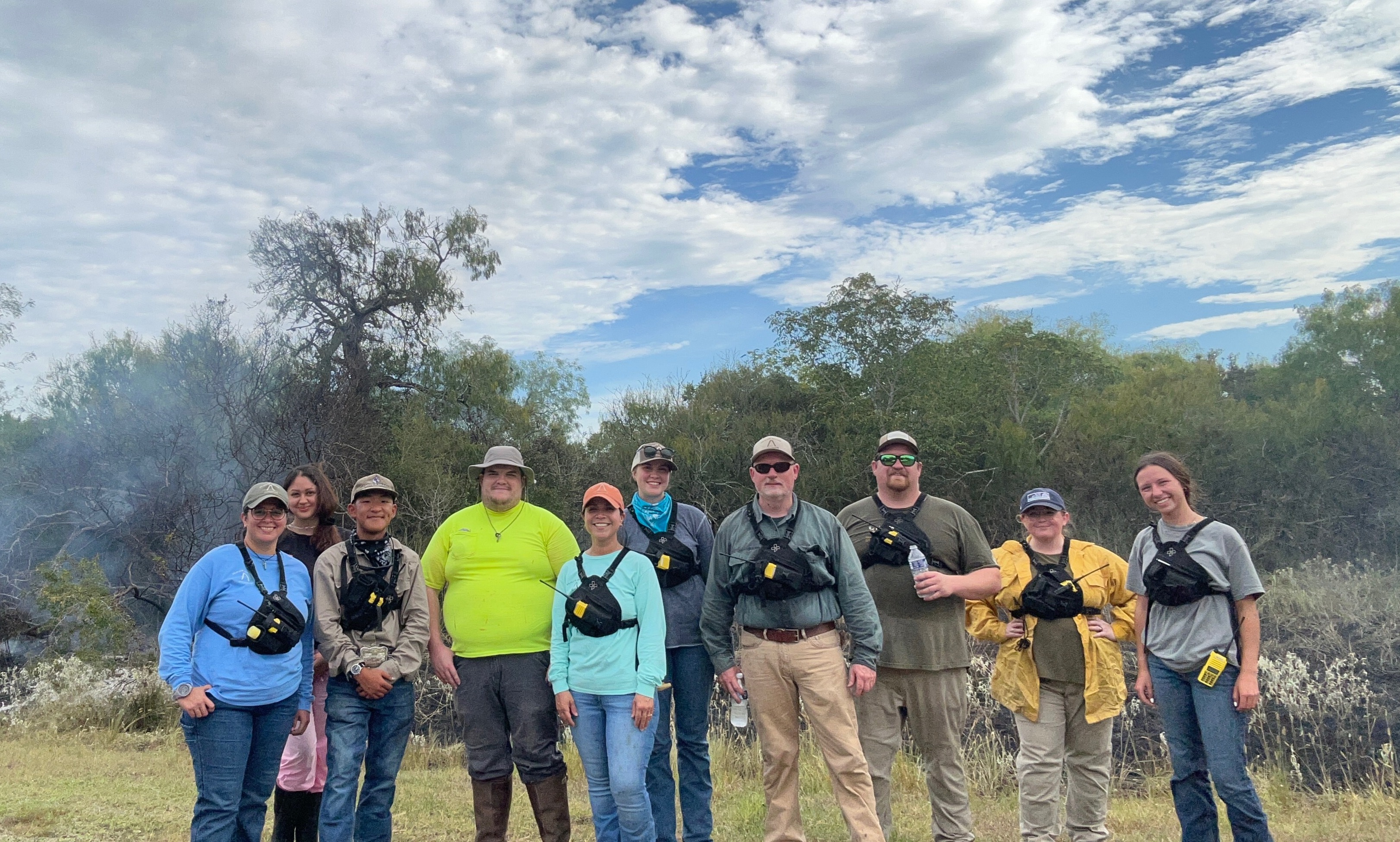
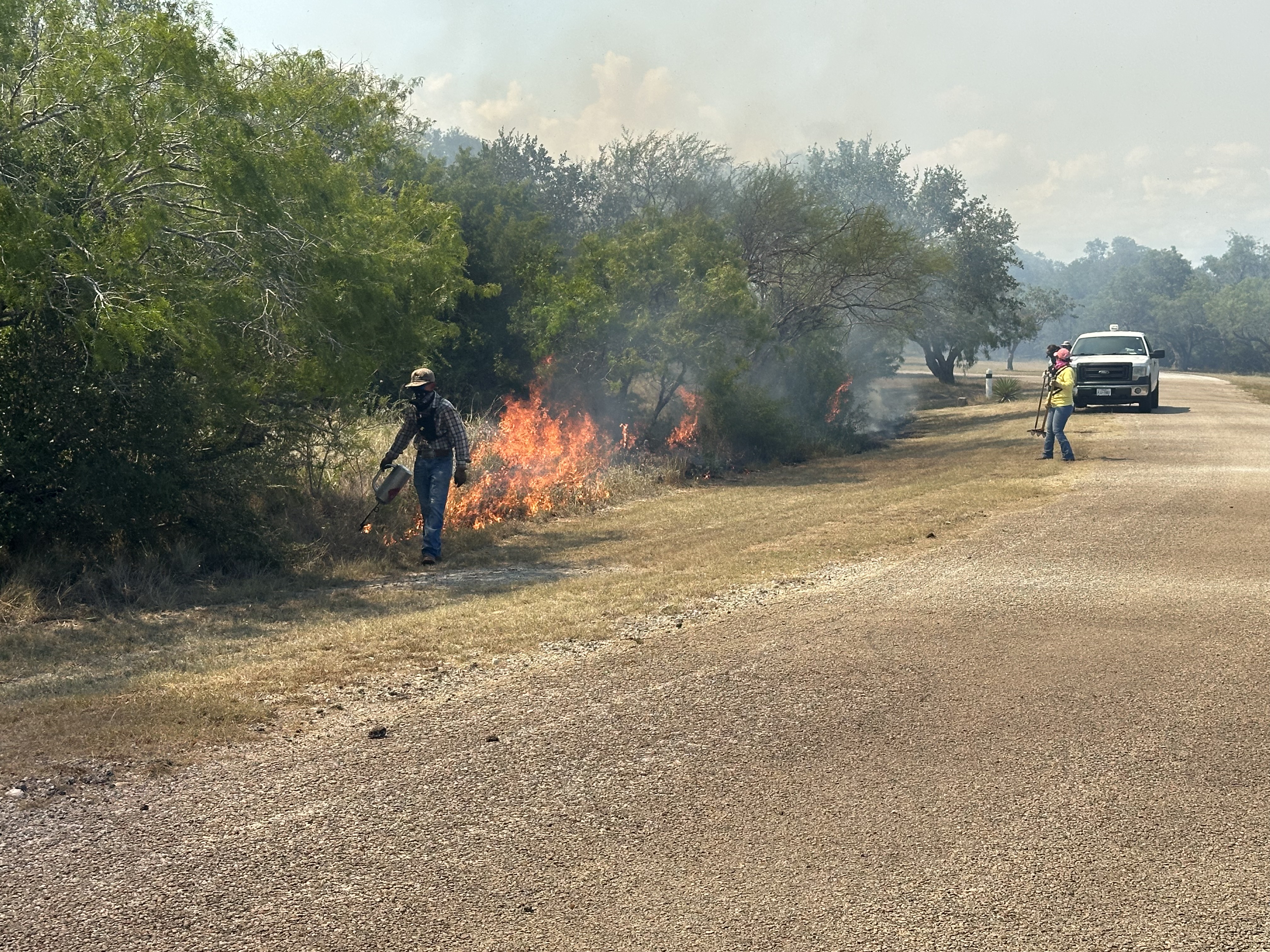
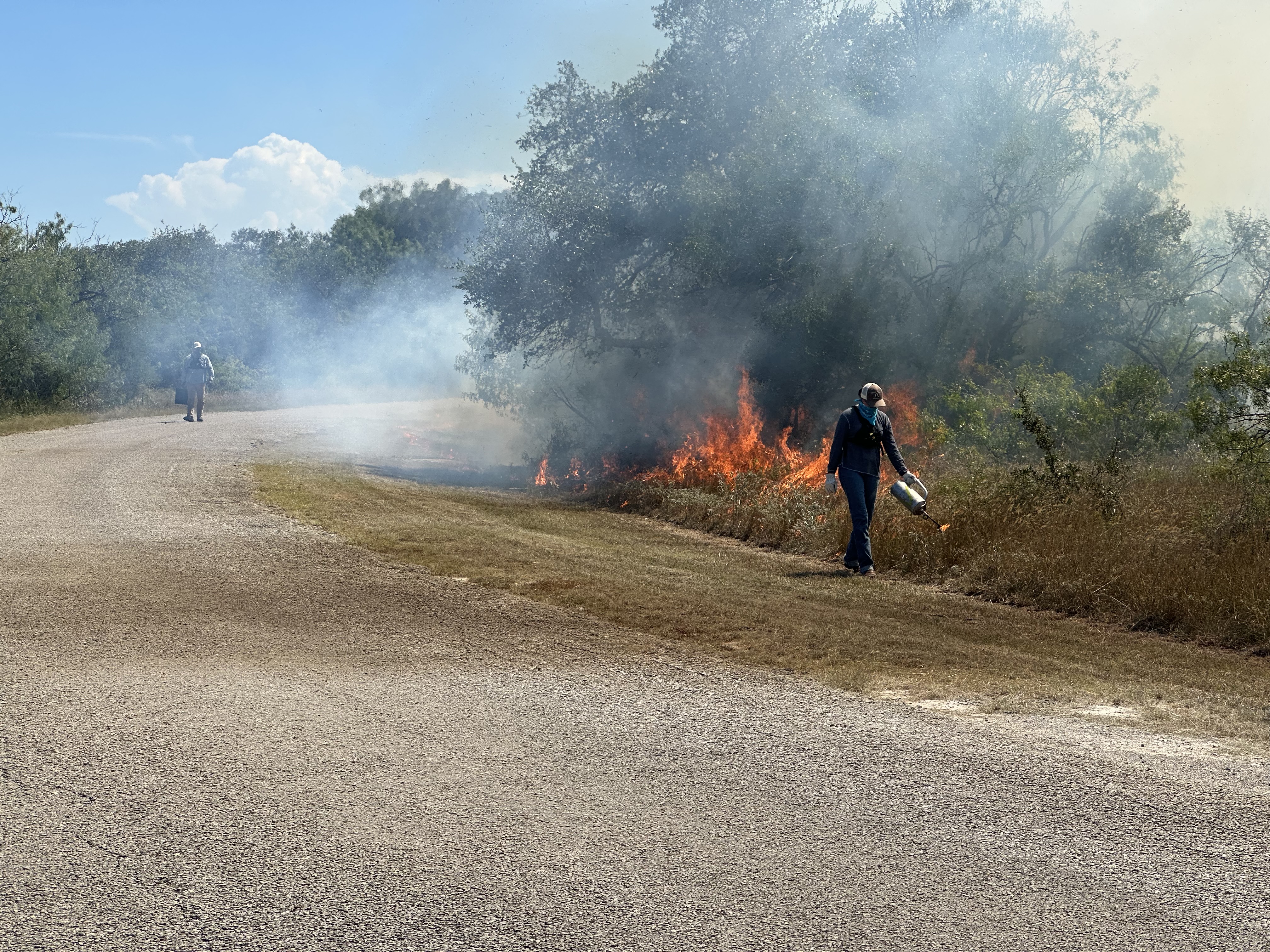
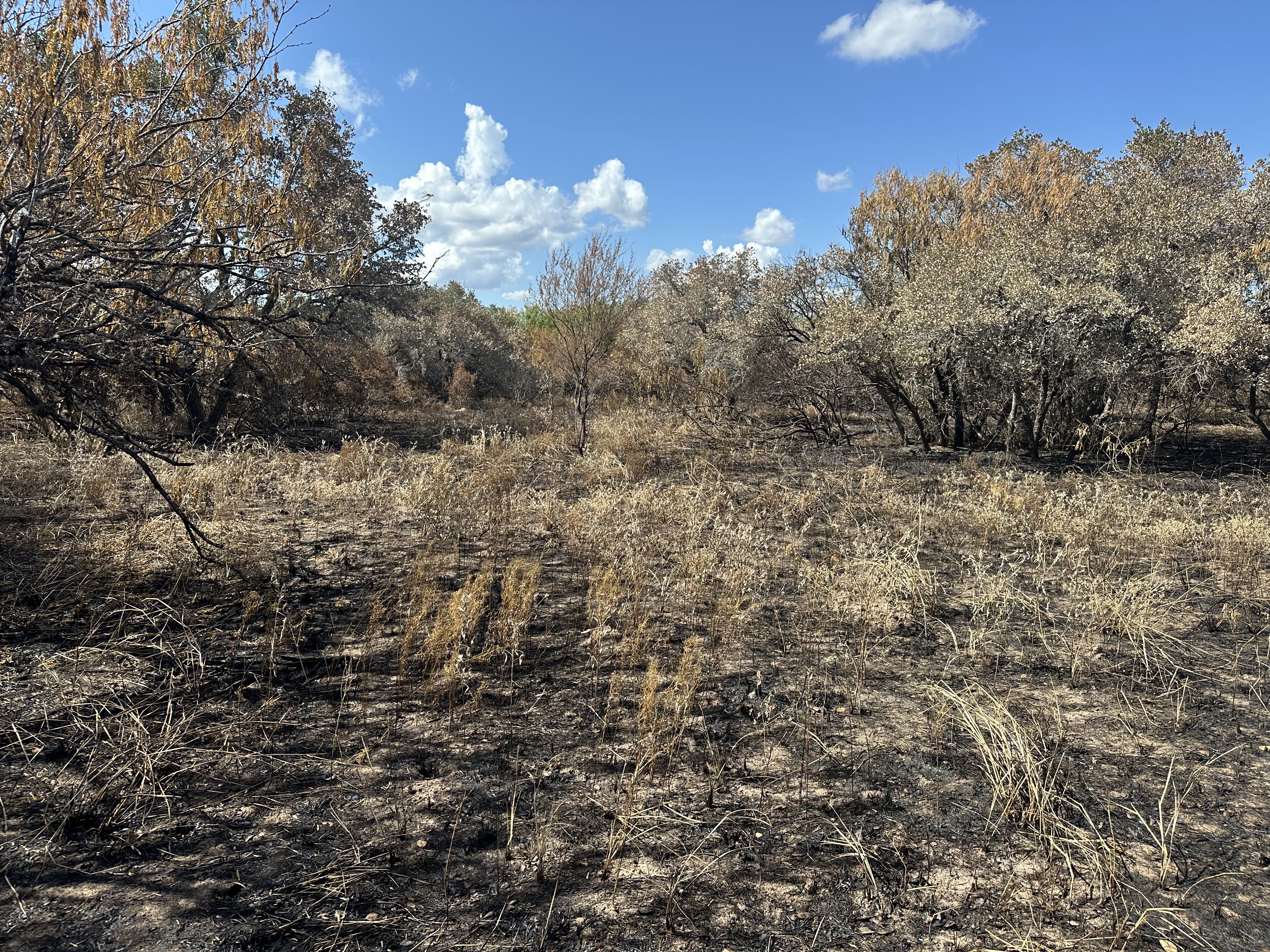
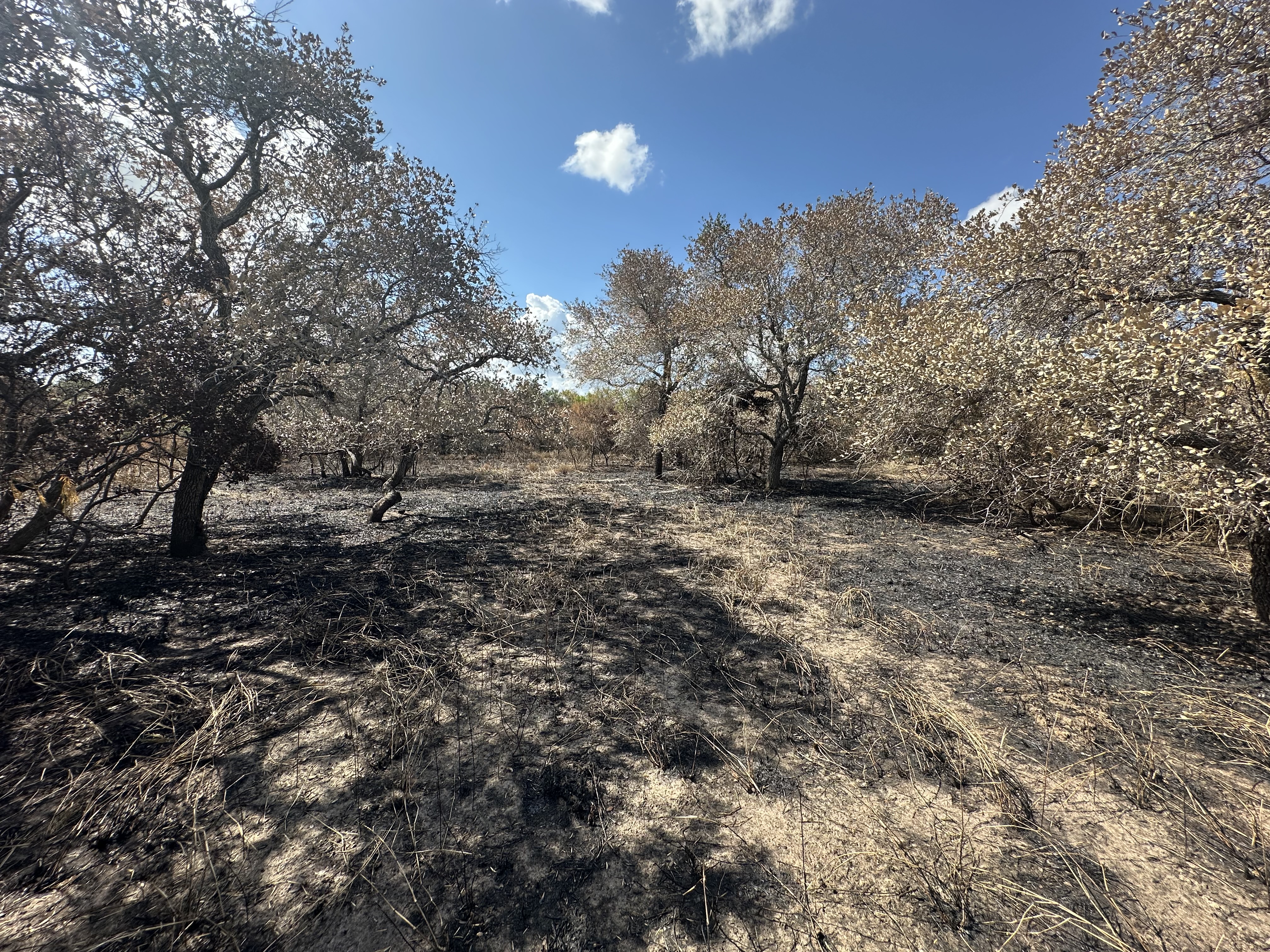
Prescribed fire has been a tool used on the refuge since its inception, but there never seemed to be an established fire cycle. This is mostly due to the higher number of on-site research projects being conducted early on, making logistics difficult. Due to our location on the coast and higher average rainfall, prescribed fire is one of our most important tools. Prescribed fire is the only tool we have to completely reset succession to keep our grasslands open. Our goal is to burn 1,500- 2,300 acres a year, burning year-round with no focus on any specific season. Not focusing on a specific season will increase our burn days and give us acreage in various stages of succession throughout the property. As stated above, our brush problem not only affects our grazeable acres but also our burnable acres. As we continue to tackle our brush dilemma, this will also allow us to be able to burn more acreage, helping us to achieve our annual goal. In the meantime, our goal is to increase the acres burned every year while providing opportunities for university students to get hands-on experience with prescribed fire.
 welderwildlife.org