
About the Curriculum
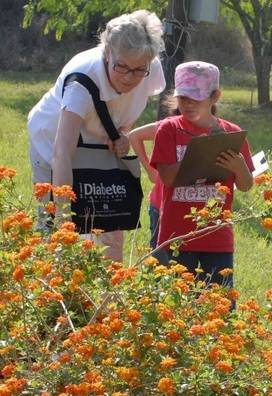
The Rangelands: A Conservation Education Guide provides hands-on, active learning with many outdoor activities to help educators convey the importance of rangeland conservation while establishing real world connections to science. The curriculum contains 27 lessons that are aligned to the core Texas Essential Knowledge and Skills, including the 2024 streamlined science TEKS. We also aligned the curriculum with other conservation-based education standards, which focus on science while integrating social studies, language arts, and math.
Lessons emphasize experiential learning through hands-on, real-world science-based investigations of plants, wildlife, livestock, soil, water, ecology, ecosystem services, and stewardship.
A variety of teaching methods are incorporated into the lessons in order to meet the needs of all students and activate higher-order thinking and synthesis in creative products and presentations. Teaching methods include field and lab activities, science investigations and inquiry, games, songs, role play, computer and Internet lessons, citizen science, and community resources.
The curriculum is available upon request. More teacher workshops will be scheduled in the summer of 2026.
Lesson examples from the Rangelands Curriculum:
A Tisket, a Tasket, What Plants are in my Basket?
Students will learn about plant structures by working together as a class to identify, collect, and press local native plants found in the schoolyard or nearby natural areas.
Grow, Grass, Grow
Students role-play parts of a plant to model structures and functions of the parts of a grass plant and demonstrate how re-growth occurs after grazing.
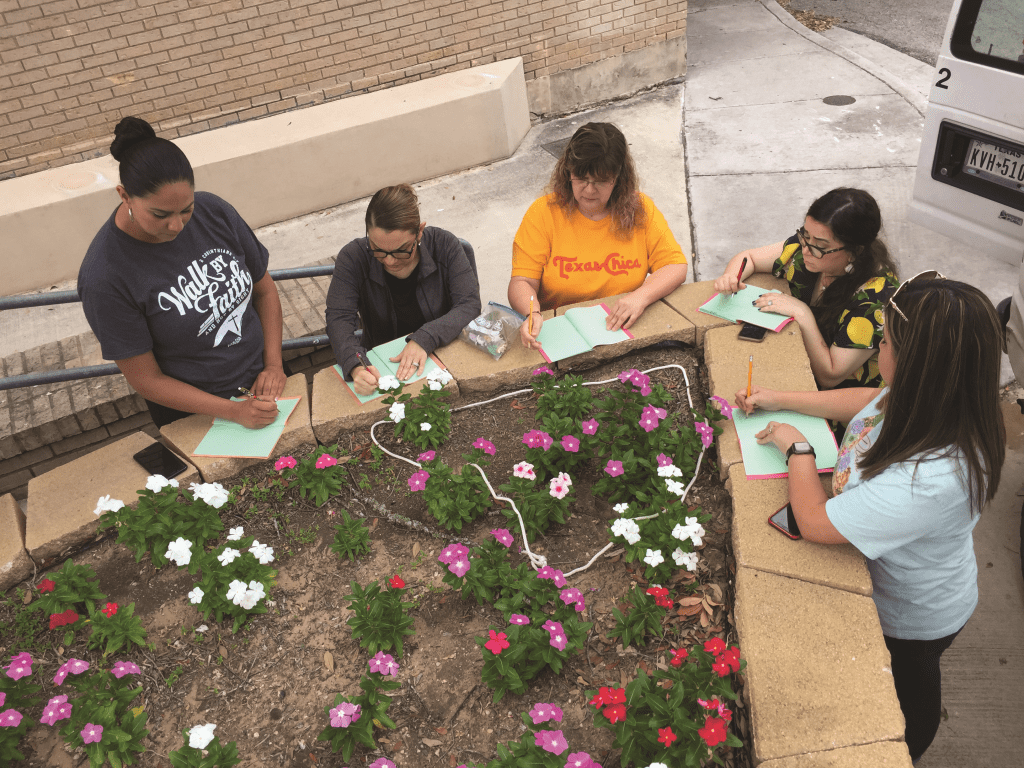
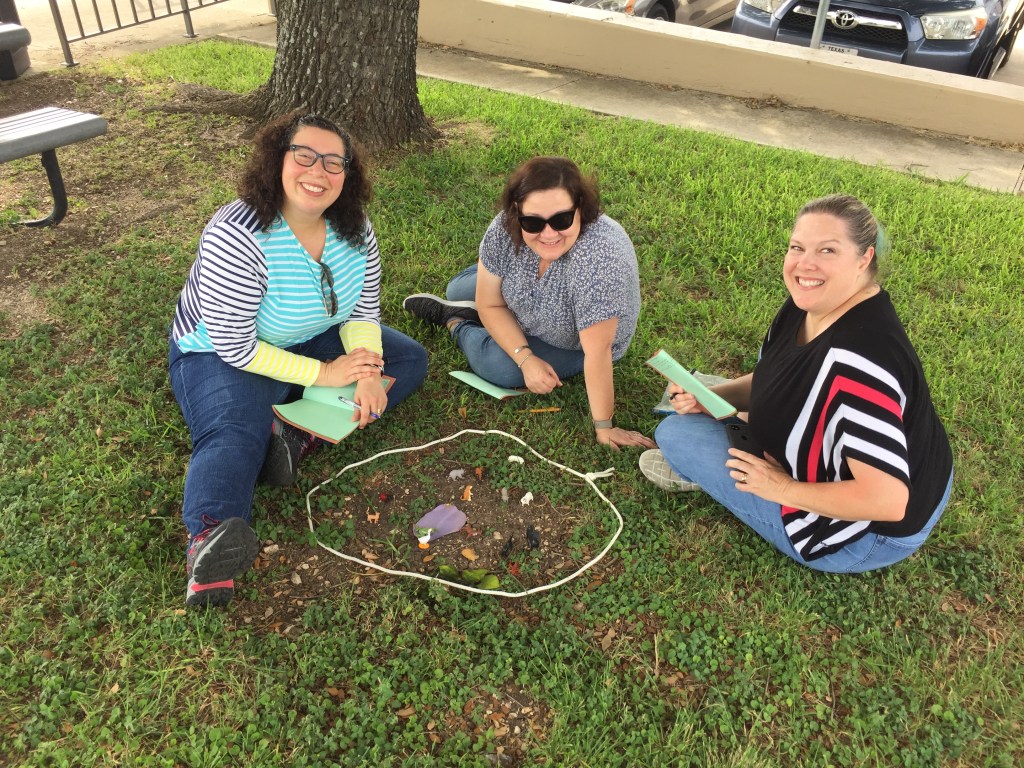

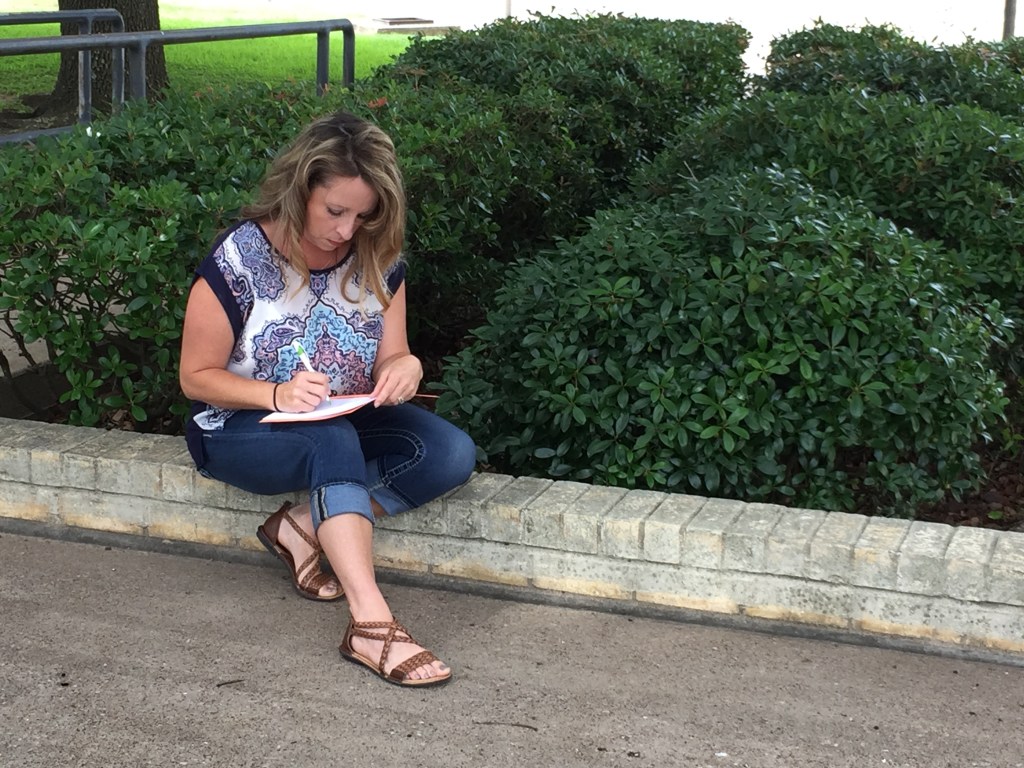


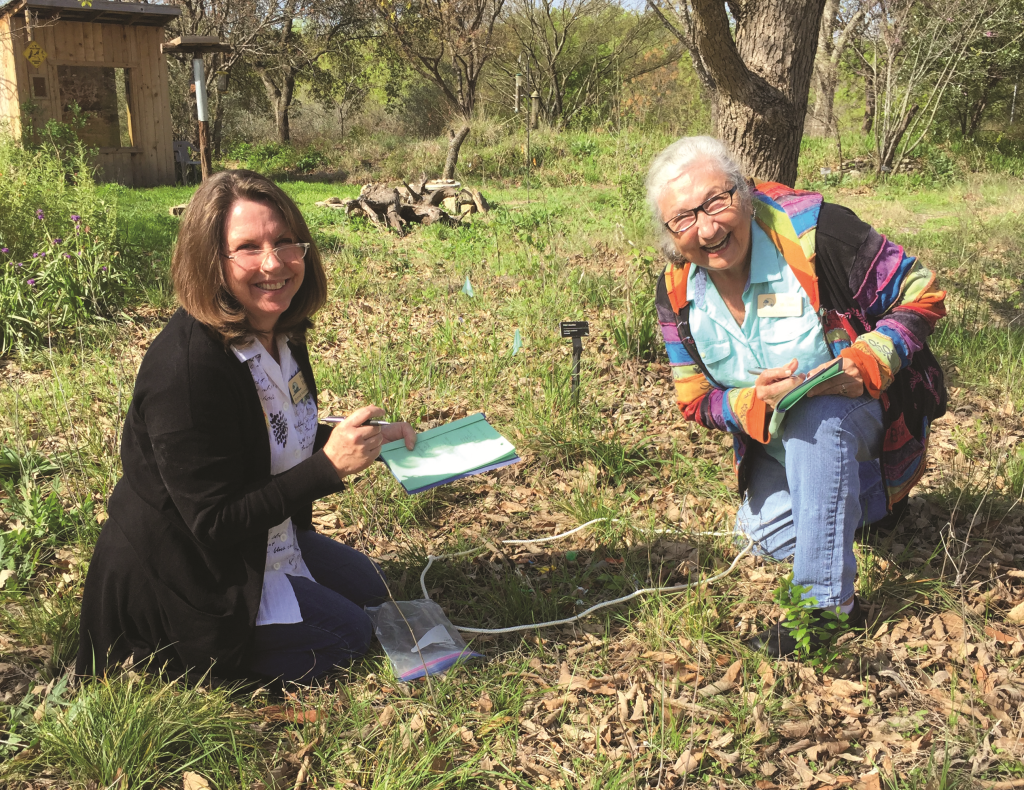


Don’t miss out on the fun and see why teachers love this workshop!
“This workshop will affect my teaching for years to come.”
“Well Done! Well organized. Differentiated for different ages and Gifted and Talented. Lots of resources and extensions.”
“I love the Rangelands Educational Guide and will be using it a lot!”
“I like that the curriculum uses field activities on the school grounds. Field trips off school grounds are difficult.”
“The lessons in the guide are very organized and descriptive. I can take this and use it right away in the classroom.”
“Thanks for a useful tool! Fairly simple activities with few supplies, but promoted deeper thinking in students.”
“The most fun I have had at a workshop in years!”
“Our students will love these activities!”
 welderwildlife.org